RECENT CHANGES AT TECHNICOLOR
As of September 27, 2022 Technicolor has become Vantiva, after the separation of Technicolor Creative Studios, and evolved into two industry-leading, independent listed companies.
Technicolor Creative Studios will continue to provide premium VFX & animation services to the global entertainment, media and advertising industries.
Vantiva will continue to leverage their leadership in high-growth Android TV and Ultra-Broadband technology markets and build on expertise in manufacturing, custom packaging and global logistics through its Supply Chain Solutions.
Each company now has their own websites. You can access them here:
The Technicolor Group has closed the sale of its Trademark Licensing operations to Talisman Brands, Inc. (d/b/a Established) on May 31st, 2022. For more information, please contact contact@established.inc.
Technicolor Creative Studios
Technicolor Creative Studios combine technology with creativity to provide premium, award-winning VFX services to the global entertainment, media & advertising industries. Their global network of studios includes MPC, The Mill, Mikros Animation and Technicolor Games.
Vantiva

Vantiva, formerly known as Technicolor, is composed of businesses with leading positions in their respective markets and with solid growth fundamentals: Vantiva Broadband, Video, IoT and Supply Chain Solutions.

Broadband Solutions
Enabling Network Service Providers to offer to their end-users an unparalleled broadband experience – lightning-fast speeds, stable connections, and whole-home wireless coverage.

Video Solutions
Through our solutions, Network Service Providers can give end-users the content they crave – instant access to their favorite TV programming and streaming platforms, supported by branded user interfaces and popular app integrations.

IoT Solutions
With decades of leading experience in the connectivity space, Vantiva IoT offers a complete IoT edge solution in order to support complex use cases in a cohesive manner, allowing for fast go-to-market strategies and cost-effective installations.

Supply Chain Solutions
As an industry leader in precision manufacturing, fulfillment, and global logistics, we provide solutions so you can reach customers whenever needed. Through our comprehensive capabilities, Vantiva can help solve your most complex end-to-end transportation and logistics challenges – for retail distribution and direct-to-consumer shipments.
WHO WE ARE
We are artists, engineers, developers, and technologists.
We are award-winning teams and experts who work together to create and distribute extraordinary content experiences for audiences everywhere as we set new industry standards.
OUR STRENGTHS

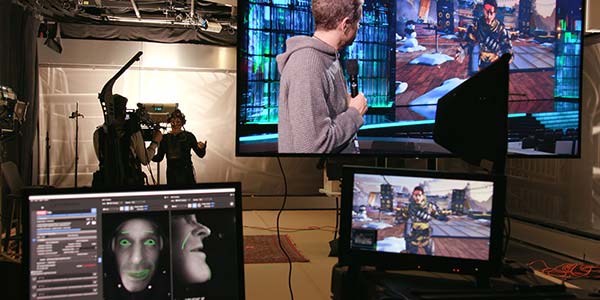

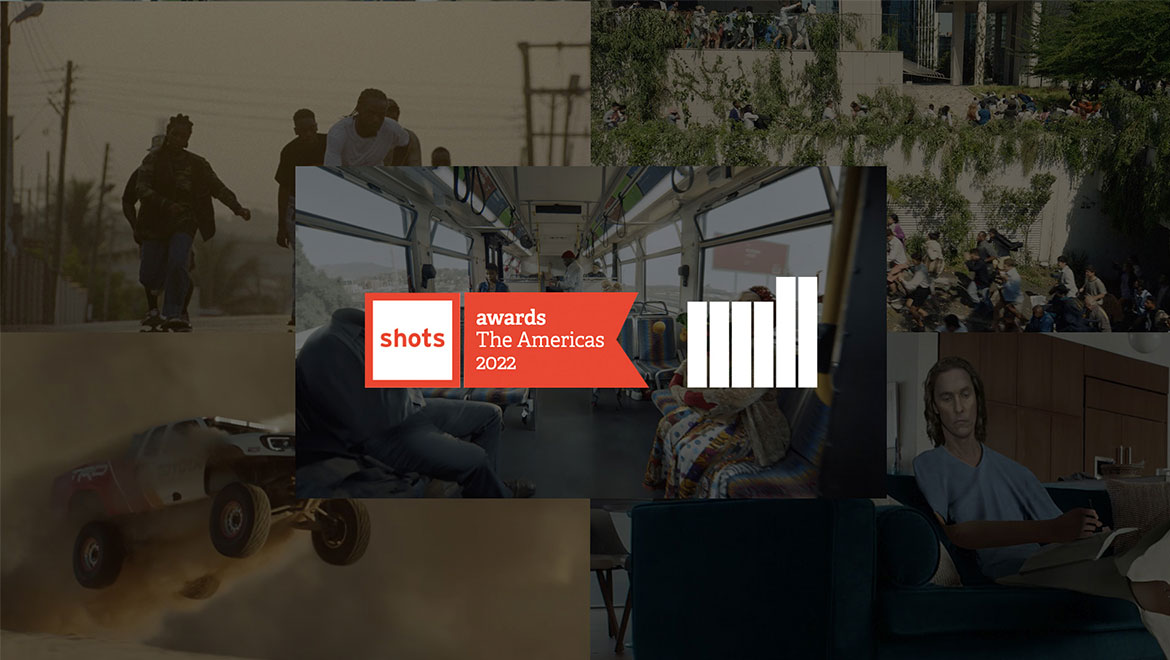
After Joining Forces, TCS Teams Continue Their Award-Winning Streak
The Mill and MPC have continued to win major industry accolades since uniting under The Mill brand earlier this year.
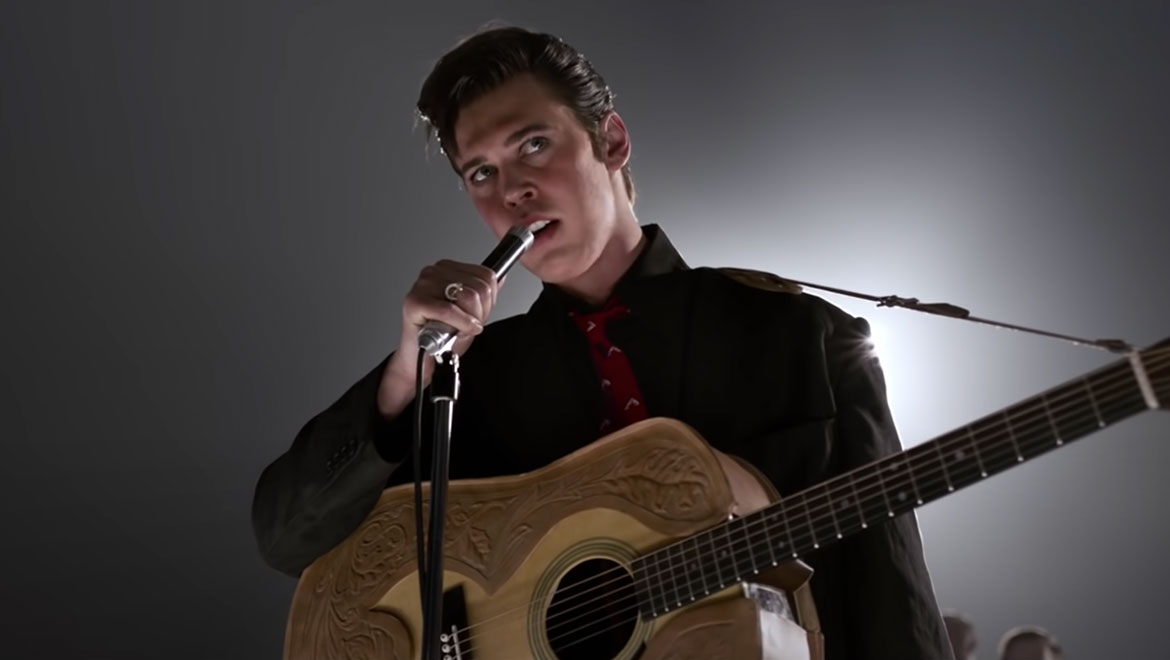
Can’t Help Falling in Love with MPC’s Work on Elvis
MPC brings to electrifying life Elvis’s iconic performances at the International Hotel Ballroom for Baz Luhrmann’s new musical biopic.

LG U+ Soundbar Black case study: exclusive insights of a commercial success
LG U+ Soundbar Black captures attention of Korean consumers and elevates the NSP's position as a provider of premium entertainment experiences.
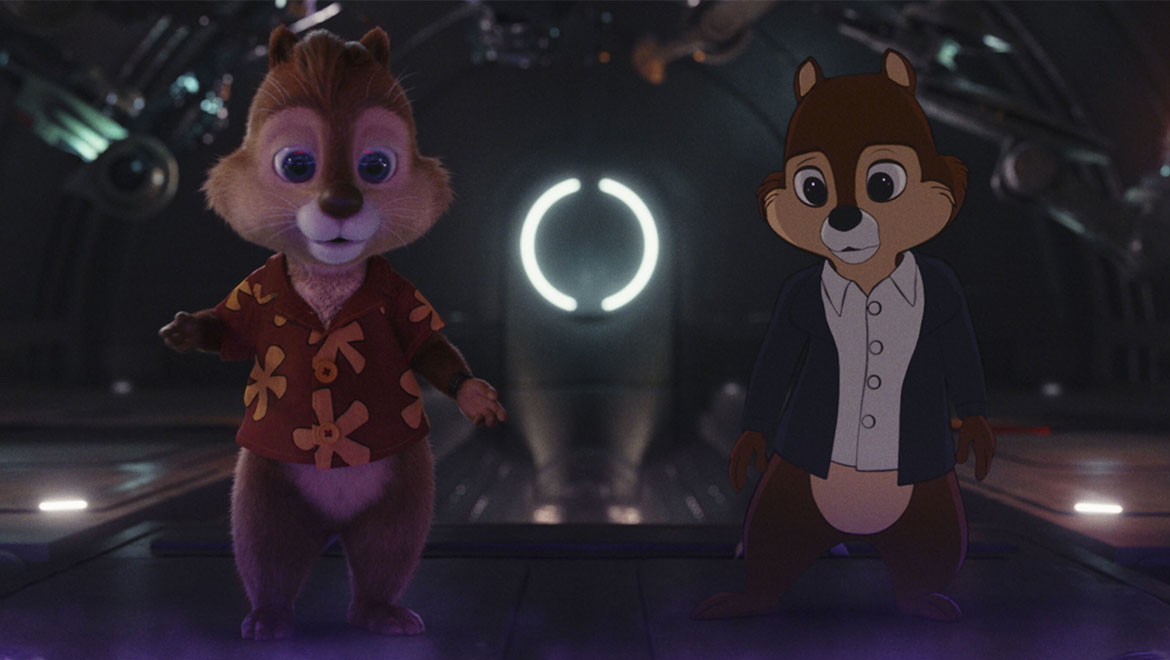
Live-Action Meets Animation Meets Photo-Real CGI in Chip ‘n Dale: Rescue Rangers
MPC’s “jet-packed” mission was to deliver a seamless blend of media styles for the Disney+ feature while orchestrating a massive team of artists from around the world.
Star-Studded Animated Feature, “Ozi: Voice Of The Forest” To Debut Its First Look At This Year’s Annecy Animation Festival
Produced by GCI Film and Directed by Tim Harper, the Mikros Animation production is slated to release in late 2022.
WHAT WE DO
We redefine content experiences with #1 market-share positions in VFX and creating computer generated images, designing broadband gateways and TV video platforms, and DVD distribution.